Carbon Fiber Shapes and Profiles
Carbon fiber shapes are the physical forms composite programs are built from: tubes, sheets, plates and the bespoke profiles that turn a drawing into a load-carrying part. At TechCarbonWorks we treat a shape as a manufacturing problem first and a catalog item second. Since 2013 we have produced custom carbon fiber shapes for engineering and sourcing teams in the United States, Europe and Australia, starting from prepreg, consolidated laminate stock, or filament-wound sections and ending with a finished, inspected component. This page explains the shapes we make, how we make them, and how to specify one so your request returns a part that fits and performs.
|  |  |
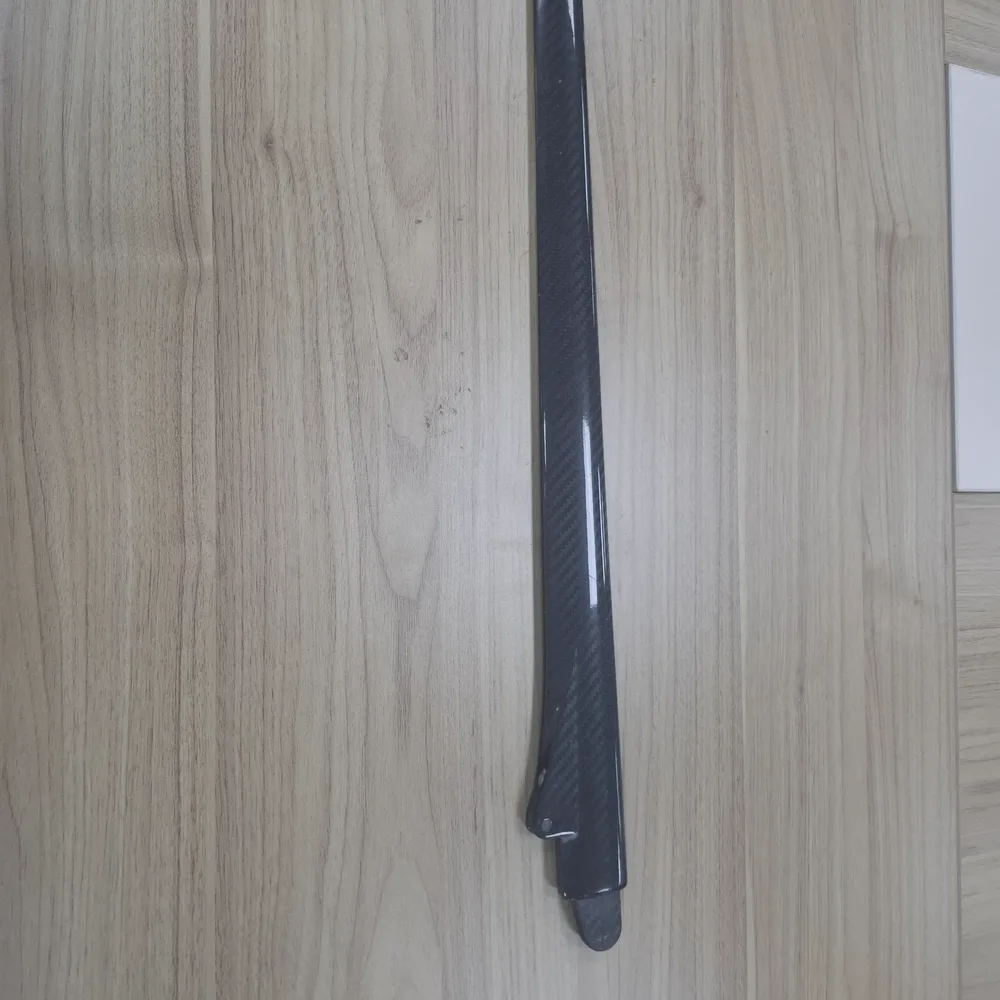 | 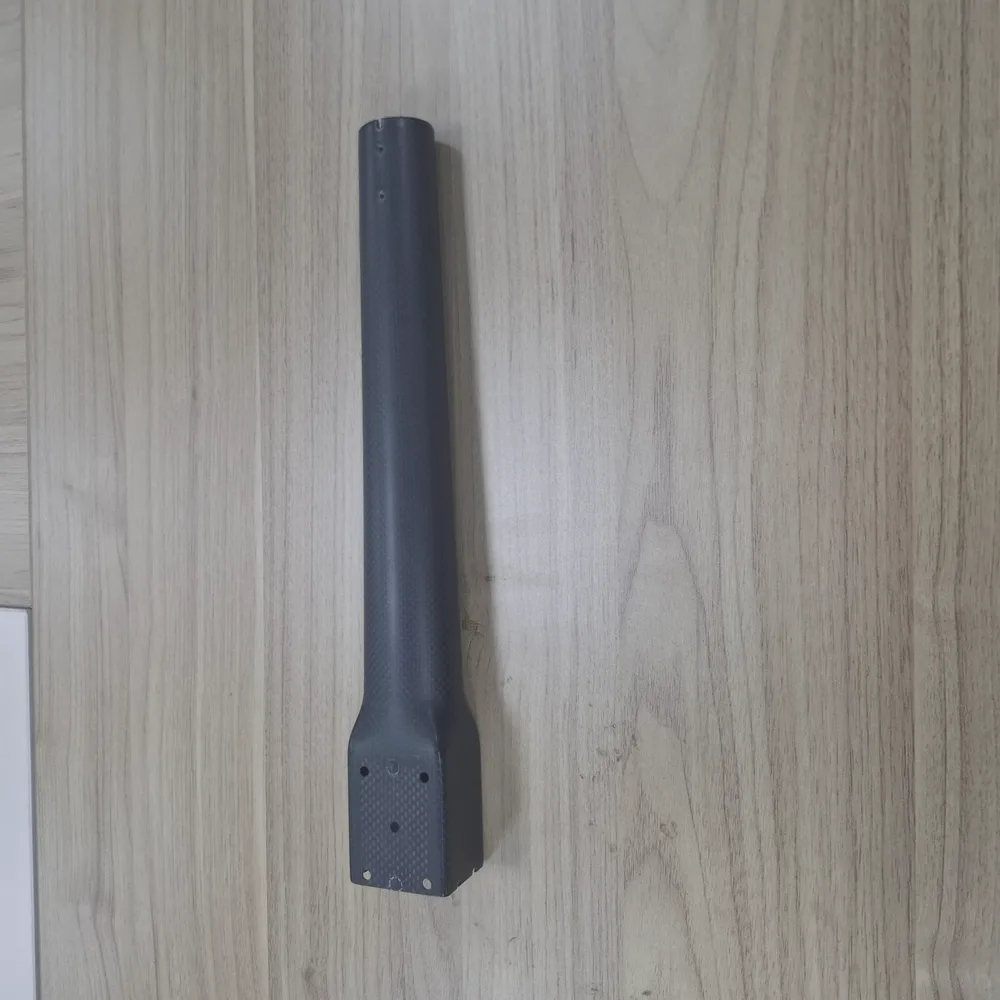 | 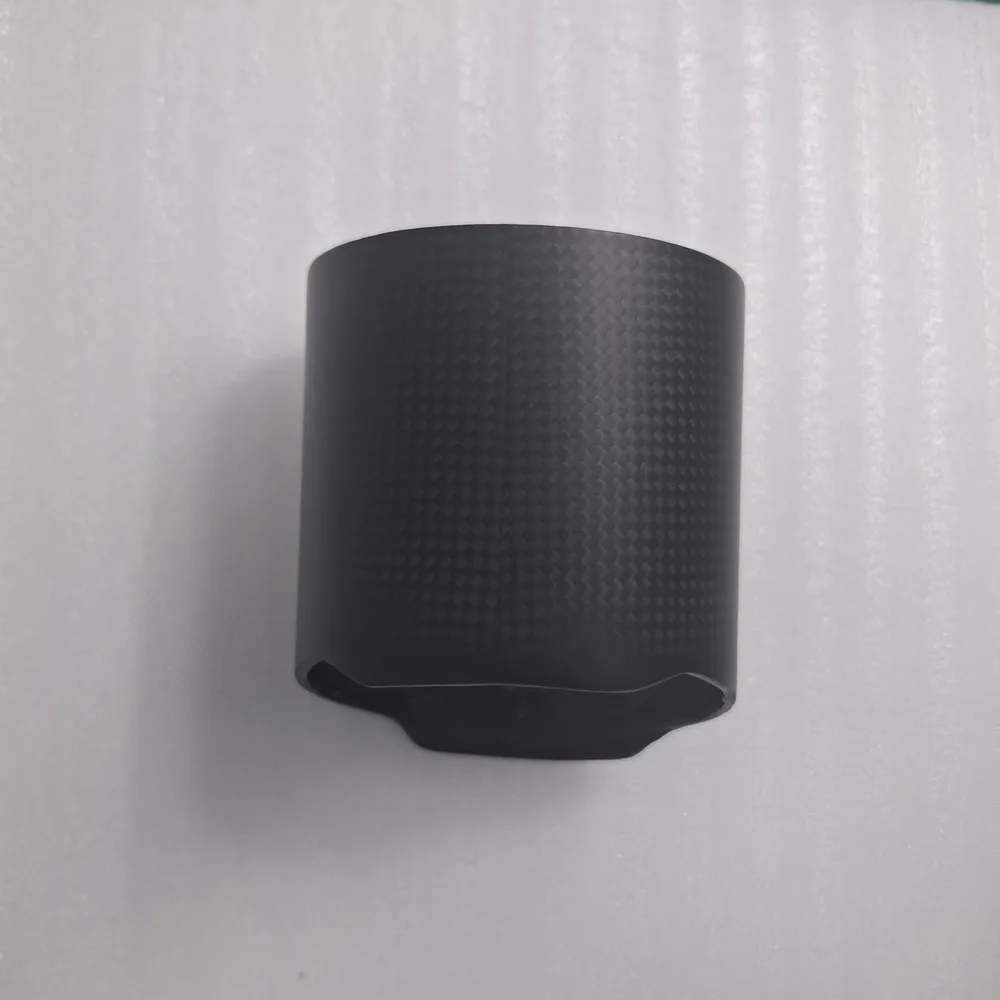 |
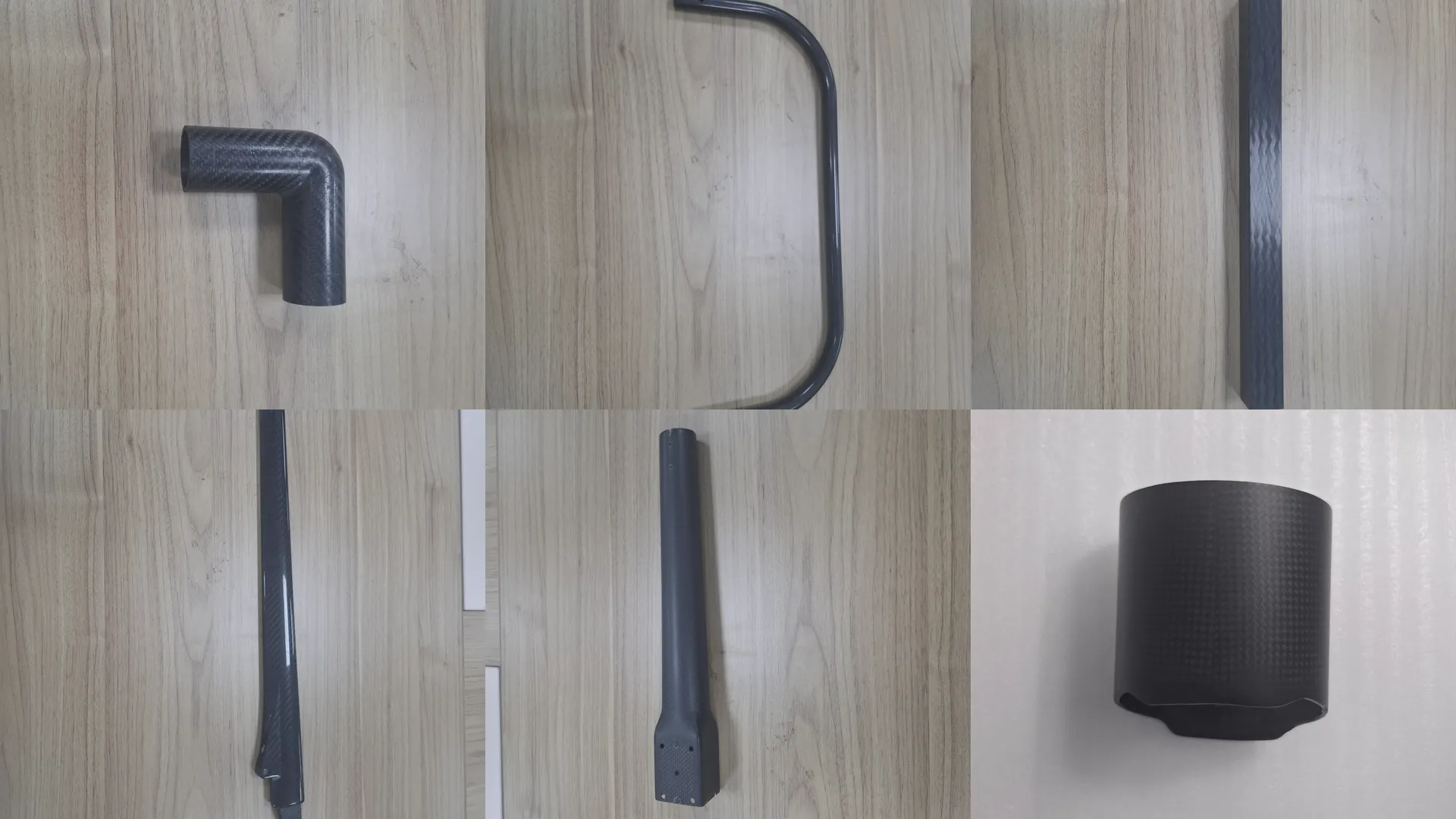
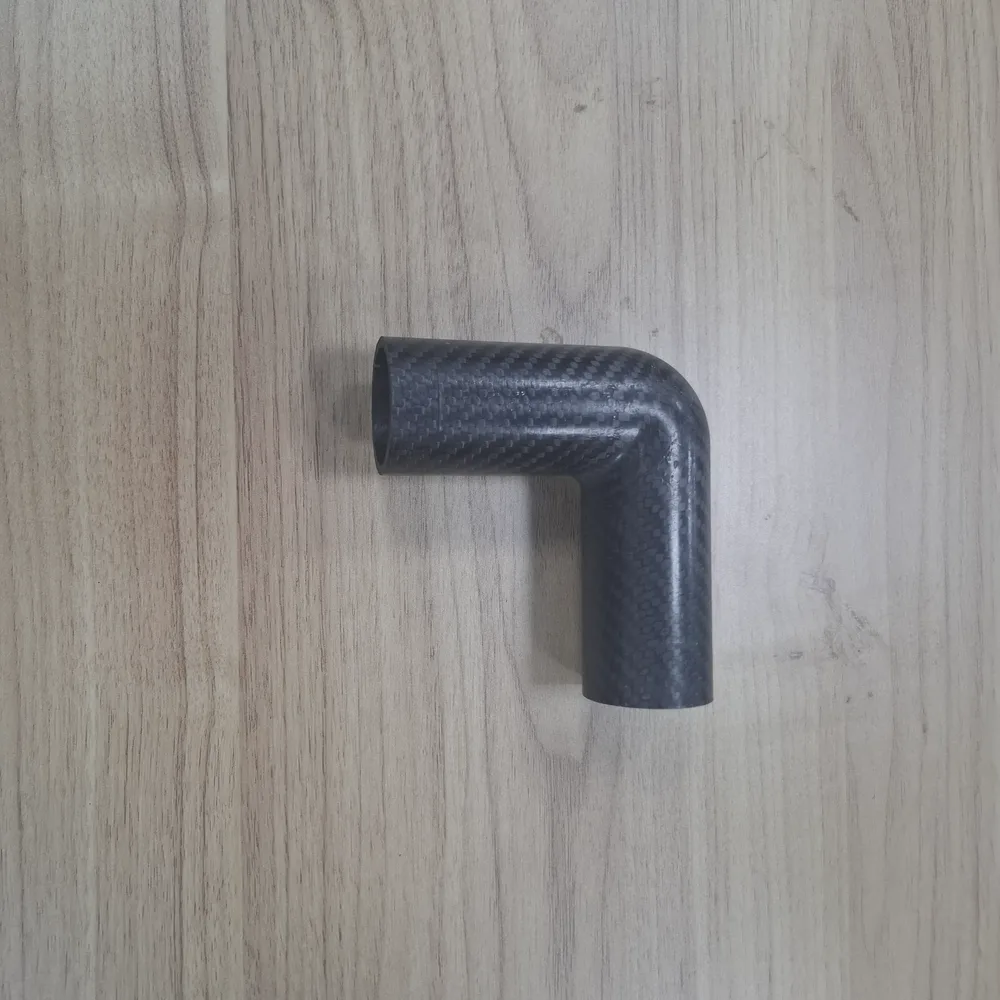
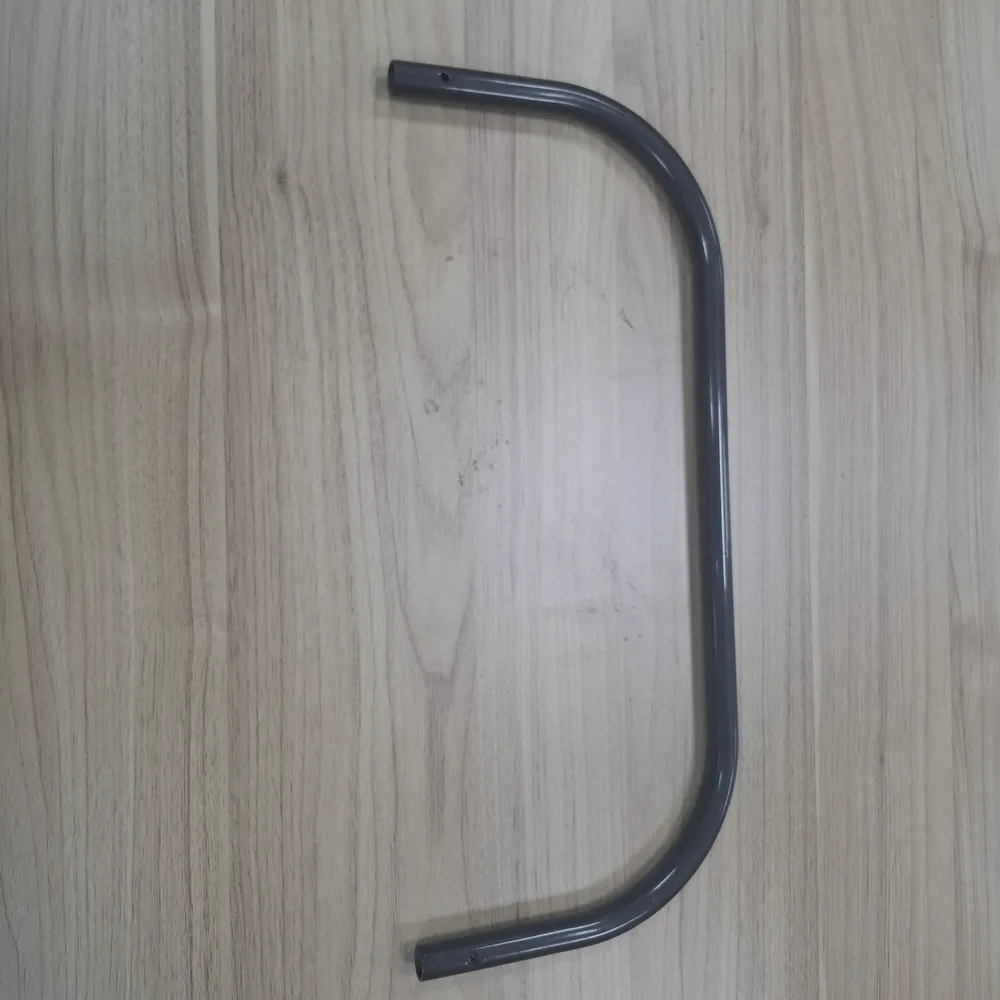
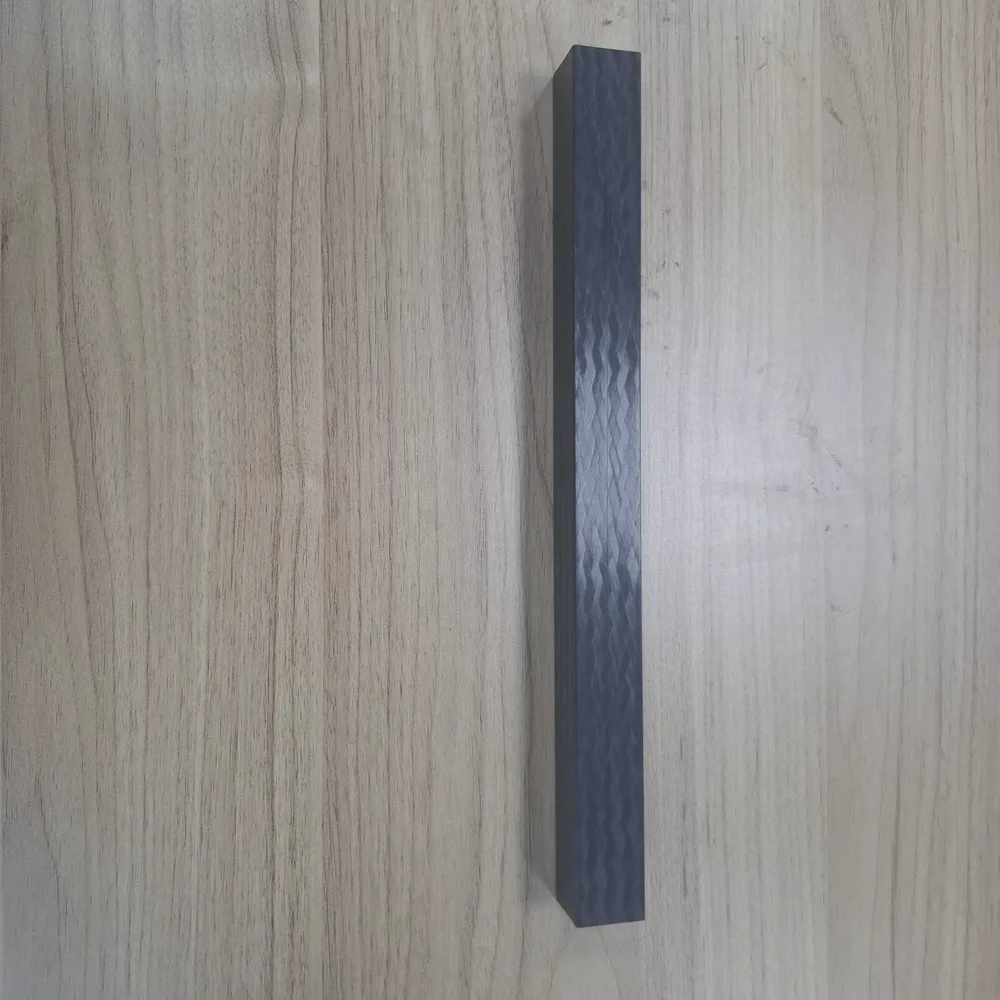
Carbon fiber tubes, plates and brackets begin as molded or stock laminate and are finished to the geometry on your drawing.
Custom Carbon Fiber Shape Manufacturing
Custom carbon fiber shape manufacturing is the bridge between a material specification and a usable part. The route depends on the cross-section, the tolerance, the volume and the surface the shape must present. A simple tube can be wound and trimmed; a contoured bracket is better molded near net and CNC-finished; a flat plate is most economically machined from stock laminate. We choose the leanest route that still meets the requirement and we document every step so the same shape can be repeated in production without re-qualification. Because molding, machining and inspection sit under one roof, a shape we quote is the shape we actually produce.
Common Carbon Fiber Shapes We Produce
Most programs fall into a small set of form families, and each is handled with a different fixture and tool path.
- Tubes and hollow sections: pultruded, filament-wound or wrapped carbon tubes, cut and machined to custom diameter and length.
- Sheets and plates: consolidated laminate stock machined to thickness, contour and hole pattern.
- Brackets and ribs: molded or machined load-carrying shapes with datum faces for assembly.
- Channels, rails and enclosures: custom cross-sections for structural and housings work.
- Organic and contoured profiles: curved or non-standard sections that would be costly to tool conventionally.
If your shape is not on this list, it is still likely within reach — most custom profiles are a combination of these families with part-specific trim and insert features.
Carbon Fiber Tubes
Carbon fiber tubes are one of the most requested shapes because they deliver stiffness and low weight along a single axis. We produce them as pultruded sections for straight constant cross-section runs, as filament-wound tubes where fiber angle and wall hierarchy matter, and as wrapped or molded sections for localized features. After curing, tubes are mounted on a rotary fourth axis and cut, chamfered, slotted or drilled without crushing the wall; soft jaws and internal mandrels keep the section round. Typical tube work is held to around plus or minus 0.1 mm on wall and length, with critical hole positions referenced to a datum. The same tube can later receive edge sealing, inserts or a bonded end fitting as part of a larger assembly.
Carbon Fiber Sheets and Plates
Carbon fiber sheets and plates are the starting point for flat and lightly contoured parts. We machine them from consolidated laminate stock from roughly 0.5 mm shim up to 25 mm plate, including unidirectional, woven twill and hybrid glass-carbon layups. Profile cutting, pocketing and hole patterns are routine on a vacuum or clamp table with a sacrificial backing board so the cut exits into support rather than free air. Where a part needs both metal and composite features, we coordinate the sequence so inserts are not disturbed. Plates that need profile cutting on the edge use soft-edge clamps at low torque so the laminate is not locally crushed.
Custom Profiles and Sections
Custom profiles and sections are where carbon fiber earns its place in a program. A channel that must stay straight under load, a rail with integrated mounting tabs, or an enclosure with a controlled draft can all be produced as a single shaped part rather than an assembly of cut pieces. We build profiles from molded near-net blanks trimmed on 5-axis centers, or from filament-wound and machined tubes where the cross-section is closed. The 5-axis trim is located from the same molded datum faces the assembly will use, so the finished profile references the features your downstream process depends on. For volume programs we qualify a composite or aluminum tool so the profile repeats within tolerance across the run.
How Carbon Fiber Shapes Are Manufactured
The manufacturing path for a shape is chosen, not assumed.
- Define the shape and tolerance: your CAD sets the cross-section, datum and critical features; we flag draft, radii and release issues during design review.
- Form the near-net geometry: prepreg or hand layup molding for contoured shapes, filament winding for tubes, or stock laminate for plates.
- Cure: vacuum bag oven cure for industrial and consumer shapes, or autoclave cure at 6 to 7 bar where void content and compression strength are specified.
- Finish-machine: 3-axis or 5-axis trimming, drilling and pocketing to the final contour and hole pattern, referenced to datum.
- Seal and coat: edge sealing against moisture and, where required, a UV-stable surface finish.
- Inspect: CMM verification of critical dimensions with a first-article or production inspection report.
This disciplined sequence is why a shape machined today matches one machined months later, and it is the same chain our broader carbon fiber manufacturing services use for every program.
Material and Layup Considerations for Shapes
The right material sets the ceiling on what a shape can do. We commonly run Toray T300, T700 and T800 prepreg, 3K twill and plain weaves, forged carbon and carbon-kevlar hybrids, all cold-stored and lot-tracked. Unidirectional layup gives predictable stiffness along a tube axis; woven cloth handles multi-axis loads and shows the classic cosmetic weave; forged carbon suits organic shapes where isotropy matters more than grain. For a shape that must carry load we advise the fiber architecture during quotation rather than after molding, because re-laying a cured part is not an option. Hybrid glass-carbon layups can trim cost where only part of a shape is structural.
Applications for Custom Carbon Fiber Shapes
Custom carbon fiber shapes serve the same sectors we manufacture for across the US, Europe and Australia. UAV and drone programs use tubes and booms where every gram counts; aerospace secondary structures use contoured brackets and plates to laminate schedules; motorsport uses aero and intake shapes where stiffness-to-weight wins; robotics uses light arms and links to raise speed and accuracy; medical uses stable frames and housings. In each case the shape is matched to the load, the environment and the assembly it joins. Industry-specific programs are detailed for UAV, aerospace, motorsport and robotics customers, and any shaped part can be finished through our carbon fiber surface finishing and coating services.
Quality and Inspection of Shaped Parts
A shape is only useful if it holds the dimension your assembly expects. Every critical feature on a shaped part is verified on a coordinate measuring machine against your datum scheme, and the result is captured in a first-article or production inspection report that accompanies shipment. For tube and plate work we reference holes and contours to molded or machined datum faces so repeatability does not depend on operator skill. Aerospace and medical programs can receive full traceability covering laminate batch, tooling records and inspection data. As an ISO 9001 certified manufacturer we maintain lot traceability from frozen prepreg through finished, packaged shape.
Custom Engineering and Request a Quote
If you have a shape on a drawing, a shape in mind, or a metal part you want to replace with carbon fiber, we can help. Share your CAD files, target volumes, the tolerance and surface finish the shape must hold, and the environment it will see. We will recommend a forming and machining route, agree a dimensional and inspection plan, and quote a firm schedule. Prototype shapes can be turned around in two to three weeks using soft tooling or machined blanks, then scaled to recurring production with qualified tooling and no re-qualification gap.
You can also explore our custom carbon fiber parts manufacturer capabilities, our CNC machining of carbon fiber parts service for tubes and plates, and our carbon fiber prototyping services for early-stage shape validation. Tooling for shaped parts is covered by our carbon fiber mold making service. Ready to start? Email [email protected] with your drawings and quantities for a fast, engineering-led quotation.