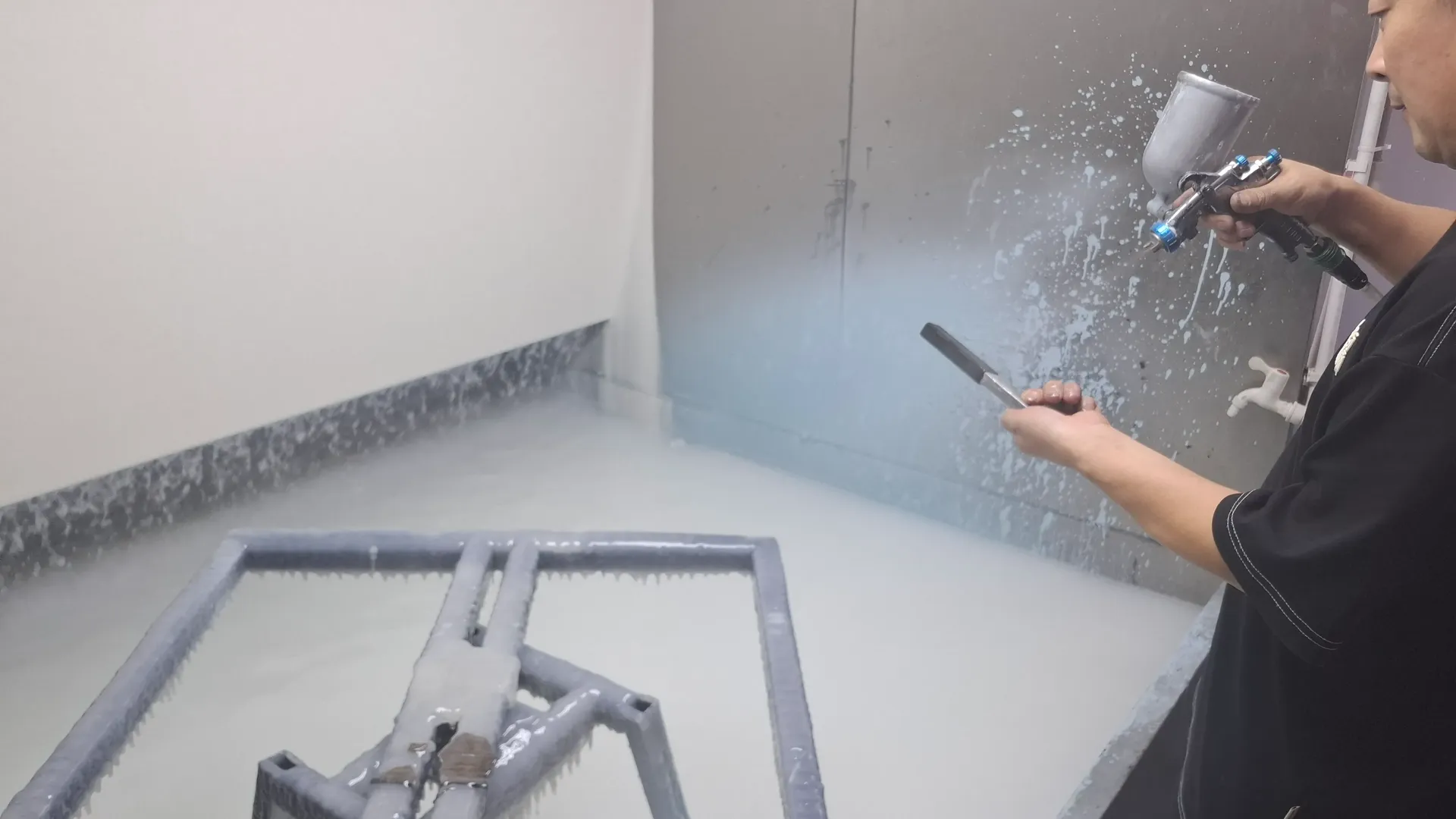
Carbon Fiber Surface Finishing Services
Carbon fiber surface finishing and coating services turn a molded or machined composite part into a finished component that meets both appearance and protection requirements. The finish is a specification, not an afterthought: it affects UV stability, abrasion resistance, brand presentation, and cost. TechCarbonWorks finishes custom parts, prototypes, and production components as part of the same integrated workflow that molds and machines them, so the coating plan is set while the part is still in tooling rather than discovered after molding.
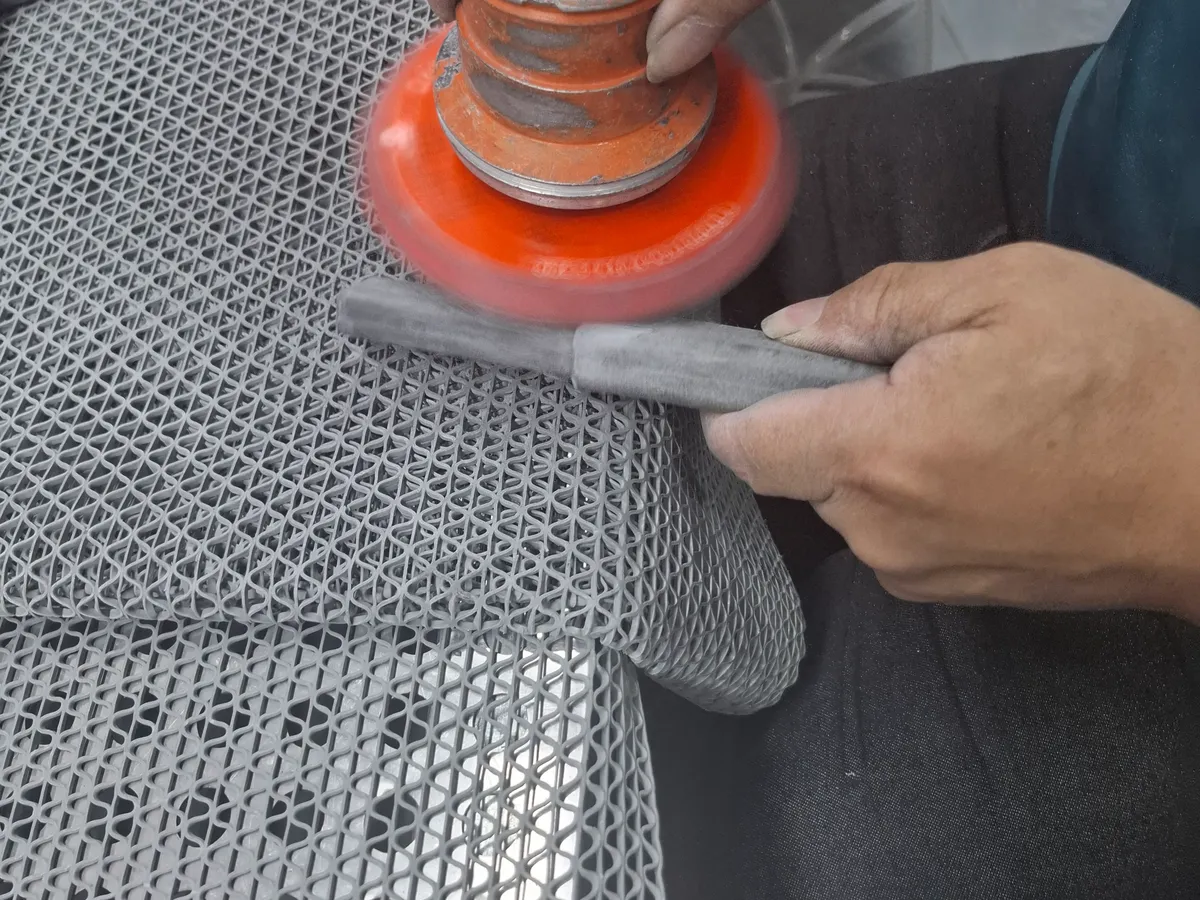
The visible weave under a clear coat is the signature look many brands want to project.
Carbon Fiber Coating Options
We select the coating route from a small set of well-understood options rather than treating finish as a single step.
- Clear-coated twill or plain weave: After molding, the part is sanded, filled where needed, and sprayed with a UV-stable clear coat, often a two-pack urethane. Twill shows the classic diagonal pattern; plain weave shows a tighter checkerboard. This celebrates the material and suits consumer electronics housings, drone shells, and motorsport trim.
- Matte finish: A flattened clear coat or a textured mold surface removes gloss for a stealthy, modern appearance. Matte hides minor surface imperfections better than gloss but shows fingerprints and dust more readily, and the clear coat must still contain UV inhibitors.
- Satin finish: A semi-gloss clear coat sits between gloss and matte, offering a soft sheen that reads as premium without high reflectivity. It is a common choice for robotics and medical equipment where glare must be avoided in sensor-rich environments.
- Painted finish: Full paint coverage hides the weave and lets a part match a brand color or a surrounding metal body. Painting uses a primer and a flexible topcoat system compatible with the composite substrate to avoid cracking under thermal movement.
- Protective coating: For parts exposed to sunlight, abrasion, or chemicals, a high-solid UV-stable coating protects the underlying resin and preserves appearance over the service life.
Surface Finishes for Different Applications
The right finish follows the application, not a single house style.
- Consumer electronics and drones: Clear-coated twill for the recognizable carbon look at moderate cost.
- Motorsport and automotive: Painted body panels and aero components where color consistency across materials is required, often paired with a durable clear coat.
- Medical and robotics: Satin or matte to avoid glare in optical or sensor environments while keeping a refined appearance.
- Outdoor and UAV structures: Any exposed finish must include UV stabilizers, because raw carbon fiber resin yellows and degrades under ultraviolet light if left unprotected.
What We Consider Before Finishing
Finishing requirements vary, and we capture them before the part is molded so the substrate is ready for the chosen coating.
- Appearance and brand: Visible weave versus painted coverage, and the overall impression the part must convey.
- Gloss level and texture: Gloss, satin, or matte, and whether a textured mold surface is appropriate.
- Cosmetic requirement: Which surfaces are show surfaces and which are hidden, so effort is spent where it is seen.
- Protection: UV exposure, abrasion, handling, and chemical contact the part will meet in service.
- Environmental exposure: Indoor, outdoor, under-hood, or marine conditions change the coating system.
- Downstream assembly: Masked datums, machined faces, and bonded areas must stay free of coating so fit and torque are not affected.
- Dimensional requirements: Coating thickness is accounted for on critical features, and masking protects as-machined tolerances.
- Substrate condition: The molded surface quality sets how much sanding and filling the finish needs.
- Application requirements: A functional prototype may need only a representative coat, while a production part needs a documented, repeatable finish.
Carbon Fiber Finishing Process
Finishing is planned alongside molding and machining rather than bolted on afterward.
- Release and prep: The part leaves the mold and is cleaned; flash and tooling marks are removed.
- Sand and fill: The surface is sanded and filled where the substrate needs correction before coating.
- Prime (painted finishes): A compatible primer builds a base for the topcoat and improves adhesion on the composite.
- Coat or clear: A UV-stable clear coat, matte or satin system, or a color-matched painted topcoat is applied.
- Cure: The coating is cured under controlled conditions consistent with the substrate and the chosen system.
- Inspect: The finish is checked against the agreed defect class before the part ships.
Because the same team molds, machines, and finishes the part, the coating plan can be adjusted during carbon fiber prototyping services so the production finish is proven early rather than attempted on a finished run.
Quality Control and Inspection
We agree a cosmetic defect classification with you so quotes and acceptance are objective. A common scheme divides surfaces into classes: Class A is a show surface with no visible defects under direct inspection; Class B allows minor pinholes or orange peel only under close view; Class C covers hidden or structural surfaces where only integrity matters, not appearance. Specifying the class prevents both over-finishing that wastes money and under-finishing that disappoints. Critical machined features and bond lines are masked so the coating does not change fit or torque, and the inspection result is recorded in the part’s build documentation.
Applications
Finished carbon fiber components serve the same sectors we manufacture for: UAV and drone structures, aerospace secondary structures, motorsport bodywork and aero devices, robotics arms and links, medical equipment, and industrial tooling. In each case the finish is matched to the environment the part lives in, from glare-free satin in a robot cell to UV-stable painted panels on a vehicle. For broader context on how finishing fits the wider program, see our carbon fiber manufacturing services and our custom carbon fiber parts manufacturer capabilities.
Why Work With TechCarbonWorks
Founded in 2013 in Huizhou, China, TechCarbonWorks is an ISO 9001 certified composite manufacturer shipping worldwide to the United States, Europe, and Australia. Finishing is performed by the same integrated team that handles prototyping, tooling, molding, and CNC machining, so your part and its coating come from one accountable source with engineering continuity from first sketch to final shipment. Material is cold-stored and lot-tracked, and finish inspection is documented alongside the rest of the build record.
Request a Quote
Tell us how the part will be used and what the finish must achieve. Email [email protected] with your CAD files, the surfaces that are show versus hidden, the required gloss or color, and the environment the part will see. We will propose a finish route and coating system, agree a cosmetic defect class, and quote a firm schedule. You can also use the request form below to send part specifications directly to our engineering team.